On this page
Key takeaways
- Write down what you need edited before you start looking.
- Judge editors by full videos in your format, not by showreels.
- Ask about process, turnaround, revisions and who actually does the edit.
- Watch for red flags: no full samples, vague pricing, no written scope.
- A paid test edit tells you more than any interview.
Hiring a video editor sounds simple until you post a job and get fifty replies that all look the same. This guide shows how to hire an editor step by step: where to look, how to filter applicants in minutes, which questions to ask, the red flags to watch for and how to run a paid test. If you want to know what it will cost first, read how much a video editor costs.
Step 1: Know what you are hiring for
Before you look, write down four things. They decide which editors fit and which do not:
- Format: Reels and Shorts, YouTube videos, podcasts, ads or corporate videos.
- Volume: how many videos a week or month.
- Style: two or three videos you would like yours to look like.
- Budget and model: per video, monthly or hourly. See how video editors charge.
Step 2: Where to find a video editor
| Where | Good for | Watch out for |
|---|---|---|
| Freelance marketplaces (Upwork, Fiverr) | Many options, reviews, payment protection | Quality varies a lot; many applicants send the same template message |
| Independent editors with their own site | Direct contact, clear packages, one person who learns your style | Limited capacity; check samples and reviews on third-party sites |
| Agencies | High volume, many formats, project management | Higher price; the person editing can change |
| Referrals from other creators | Editors already tested by someone you trust | Their style may fit that creator, not you |
Pick one or two sources. Posting everywhere at once is how hiring becomes chaos.
Step 3: Filter applicants in 15 minutes
When the replies come in, do not read every message in full. Filter fast:
- Did they answer your actual post? Copy-paste replies that ignore your format go first.
- Do they show full videos in your format? A full YouTube video or a set of Reels, not only a 30-second showreel.
- Is the price clear? A package, a per-video price or an hourly rate with an estimate.
- Can you reach them easily? One clear channel and a reasonable reply time.
Keep three to five editors for the next step.
Step 4: Questions to ask a video editor
- Can you show two or three full videos similar to what I need?
- Who will actually edit my videos: you, or someone on your team?
- How do you price this work, and what is included?
- How many revision rounds are included, and what counts as a new request?
- What is your normal turnaround for a video like mine?
- How do I send footage and give feedback?
- Which software do you use, and do you keep project files?
- What do you need from me to do your best work?
Good editors answer clearly and ask you questions back about your audience, goals and style.
Red flags when hiring a video editor
- No full samples, only a fast showreel with music.
- Hourly billing with no estimate and no note of what was done.
- No written scope: length, revisions and deadline agreed only by voice.
- "Unlimited" everything for a price that seems too low.
- Slow or vague replies before you have even paid.
- Pressure to sign a long contract before a single test video.
Step 5: Run a paid test edit
A paid test is the fastest way to see how an editor works. Send each finalist the same short piece of real footage and the same brief. Pay for the work; good editors rarely do free tests, and you want the result they would deliver as a paying client.
Judge the test on four things:
- The edit itself: pacing, hook, captions, sound.
- How well they followed the brief.
- Communication: questions asked, updates, delivery on time.
- How they handle your notes in the revision round.
For a full brief template and a first-month plan, read how to outsource video editing.
Step 6: Put it in writing
You do not need a long legal contract for a few videos, but write down the basics, even in an email:
- Scope: format, finished length and raw footage limit.
- Price, payment terms and what costs extra.
- Number of revision rounds.
- Turnaround for each video.
- File delivery, and who owns the finished videos.
- Confidentiality, if the footage is not public yet.
How hiring me works
I edit in Adobe Premiere Pro and After Effects, and I reply within 24 hours. I edit your videos myself, with a small trusted team when volume needs it. You can start with one paid video, and my packages and revision rounds are listed openly on the pricing page. See hire a video editor, or if you run an agency, white label video editing. Ready to start? Send me your project.
Frequently asked questions
Where is the best place to hire a video editor?
It depends on your needs. Freelance marketplaces give many options and payment protection, independent editors give direct contact and a consistent style, and agencies suit high volume. Pick one or two places and filter carefully.
What should I ask a video editor before hiring?
Ask for full samples in your format, who will actually edit your videos, how pricing works, how many revisions are included, the normal turnaround and how footage and feedback are shared.
Should I pay for a test edit?
Yes. A paid test with real footage and a clear brief shows the editor's real quality and communication. Free tests often get rushed work.
Do I need a contract with a video editor?
For regular work, yes. At minimum, write down the scope, price, revision rounds, turnaround, file delivery and who owns the finished videos.
What are red flags when hiring a video editor?
No full sample videos, hourly billing without an estimate, no written scope, "unlimited" offers at very low prices, and slow or vague replies before you pay.
Should I hire a freelancer or an agency?
A freelancer or independent editor suits regular work where you want one person to learn your style. An agency suits high volume across many formats, usually at a higher price.
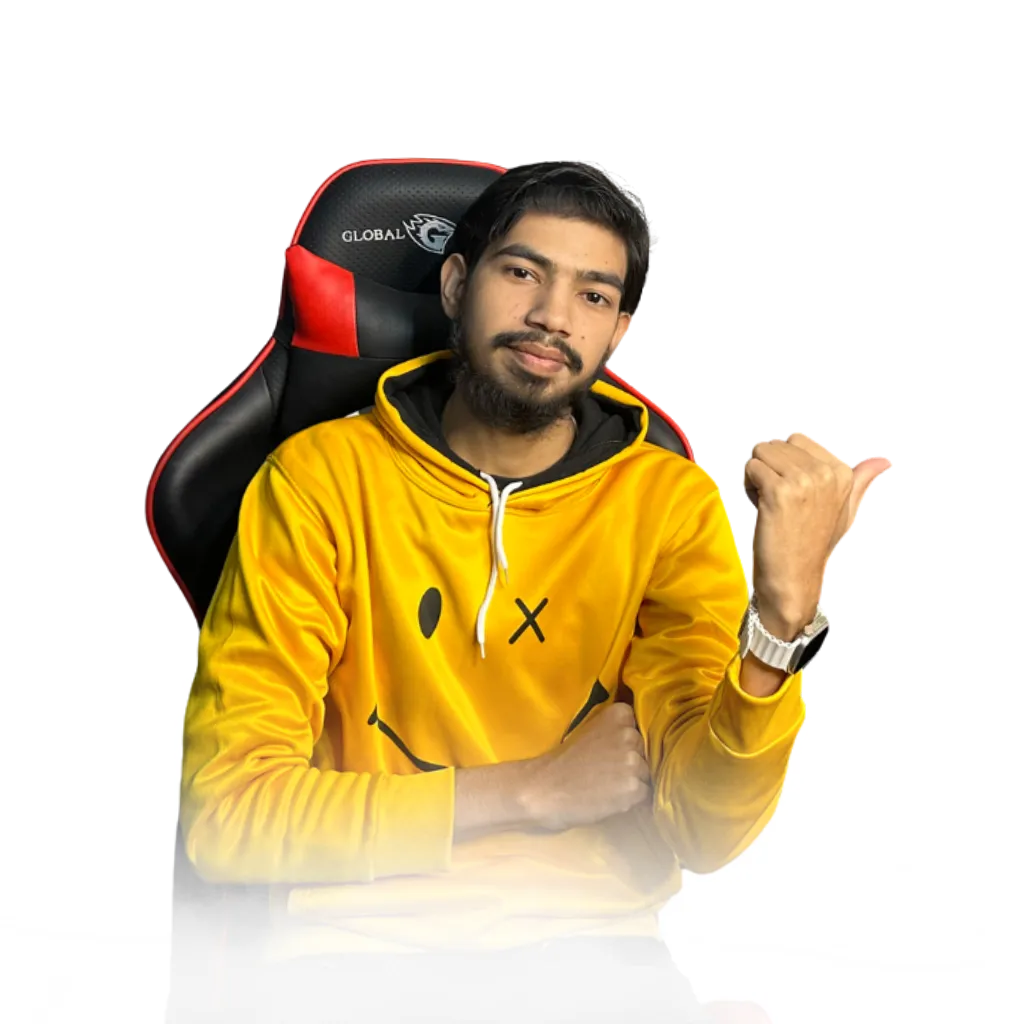
Bilal
I edit videos for creators, coaches, agencies and businesses: short-form, YouTube, podcasts and ads. I edit your videos myself, with a small trusted team when volume needs it.
More about meRelated service: Hire a video editor